SMOG is a portmanteau of “smoke” and
“fog.” Still, it is an endemic environmental problem that continues
to affect the health of humans along with the planet. This hazy cocktail of air
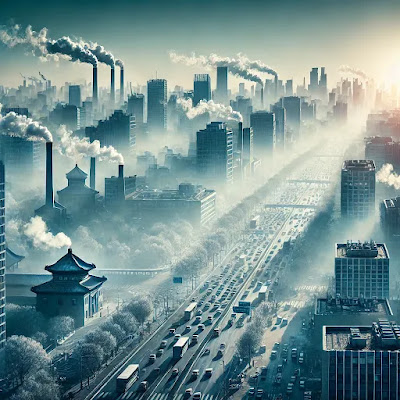
pollutants often hovers over urban and industrial places, reducing visibility
along with creating an eerie atmosphere. And hence, understanding smog, its
causes, impacts, along with solutions, is so very important for this highly
pertinent problem and a safe future for all.

What is SMOG?
A product that would result from the combination of
pollution, including nitrogen oxides (NOx), VOCs, and particulate matters, with
sunlight is often referred to as smog; therefore, there are two main
classifications of smog.
1. Photochemical Smog: This is also known as “summer
smog,” a type of smog which forms when sunlight reacts with nitrogen
oxides and VOCs to produce ground-level ozone. It mainly occurs in warm, sunny
climates and is one of the significant concerns in cities that have high
traffic volumes.
2. Sulphurous Smog: This is sometimes referred to as
“industrial smog” or “winter smog.” It is the result of
fossil fuel burning, including coal, releasing sulphur dioxide (SO2) and
particulate matter into the air. It occurs more frequently in colder climates
and during the winter.
Causes of Smog
Smog formation is the result of a mix of human activities and
environmental conditions. Major contributors are:
•Vehicle Emissions: Cars, Lorries, and buses release
massive amounts of nitrogen oxides and VOCs, which are the primary precursors
to photochemical smog.
•Industrial Activities: Factories and power plants discharge
pollutants such as sulphur dioxide and particulate matter into the atmosphere.
•Burning of Fossil
Fuels: Combustion of coal, oil, and gas produces massive amounts of smog,
especially in areas using these sources of energy.
•Agricultural
Practices: The use
of fertilizers and burning of crop residues release ammonia and other harmful
gases, which enhance air pollution.
•Weather Conditions: Temperature inversions, where a
layer of warm air traps pollutants close to the ground, can enhance smog
episodes.
Health Effects of Smog
The health effects of smog are deep and far-reaching. Exposure
to smog can cause or worsen a variety of health problems, including:
•Respiratory Problems: Smog irritates the respiratory
tract, which causes coughing, wheezing, and shortness of breath. It also
worsens diseases like asthma and bronchitis.
•Cardiovascular Issues: Exposure to smog over time has been
associated with a higher risk of heart attacks, strokes, and other
cardiovascular diseases.
•Eye and Throat
Irritation: The
chemicals in smog can cause irritation in the eyes and throat, causing discomfort
and inflammation.
•Chronic Diseases: Long-term smog exposure leads to
enhanced cases of chronic obstructive pulmonary disease (COPD) and lung cancer.
•Weak populations: Children, seniors, and people with
conditions tend to be more at risk.

Environmental Effects
of Smog
Smog goes beyond human
health into environment impacts:
•Reduces Visibility: Thinly spread smog often hides
objects from view to impact transportation and daily use
•Harming Crops: Smog contains ground-level ozone and
causes damage to plants thereby lowering agricultural productivity.
•Ecosystem Imbalance: Smog can destroy forests, water
bodies, and soil, causing a loss of biodiversity.
•Climate Change: Although smog is not a greenhouse
gas itself, most of its precursors are greenhouse gases, thereby enhancing the
climate problem.
Strategies to Mitigate
Smog
Combating smog involves a multifaceted approach that requires
government policies, technological advancement, and individual actions. Here
are some effective strategies:
Policy Initiatives:
•Harsh Emission
Standards: There
should be more severe standards of emission set for the vehicle and industrial
sectors.
•Clean Energy Drive: Developing more and more wind, sun,
and water power-based plants can be done in order to minimize dependence on
fossil fuels.
•Urban Design: Well-designed cities with a
well-designed public transport system will have reduced traffic and pollution.
Technological
Advancements:
•Electric Cars: Electric cars are likely to reduce
vehicular emissions significantly.
• Air Quality Monitoring: Advanced
monitoring systems can help identify pollution hotspots and implement targeted
interventions.
• Industrial Filters: Installing
scrubbers and filters in factories can reduce the release of harmful pollutants.
Individual Actions:
• Carpooling and Public Transport:
Reducing personal vehicle use can lower traffic-related emissions.
• Energy Conservation: Simple actions
like using energy-efficient appliances and turning off lights when not needed
can make a difference.
•Awareness Campaigns:
Educating communities about the causes and impacts of smog can inspire
collective action.
Smog in the UK: A
Historical Perspective
The UK has had its share of smog-related challenges. The
infamous Great Smog of London in 1952 was a tragic event that highlighted the
dangers of air pollution. Over five days, a thick layer of smog engulfed the
city, leading to thousands of deaths and prompting significant policy changes.
This disaster led to the emergence of the Clean Air Act in 1956 by controlling
air pollution measures, amongst those, prohibition of certain parts of burning
coal.
Although much progress in bettering the air qualities can be
seen in this developed country, yet today even in UK, many a time smog cannot
escape the notice of visitors traveling through heavy traffic cities or
industrial areas.
Conclusion
Smog is a complex problem with dire implications for health
and the environment. Its persistence reminds us of the urgent need to adopt
sustainable practices and policies. Understanding the causes and consequences
of smog and taking concerted action can work towards cleaner air and a healthier
planet. Each of us has a role to play in this endeavor, whether through
lifestyle changes, advocacy, or supporting green initiatives. Together, we can
clear the air and ensure a brighter, smog-free future.