Access to clean water and proper sanitation is a cornerstone of human
health and dignity. However, millions worldwide still struggle to access these
basic necessities, highlighting the urgent need to address global water
challenges. This article explores the significance of clean water and
sanitation, the pressing issues we face, and actionable solutions that can lead
us towards a more sustainable future.
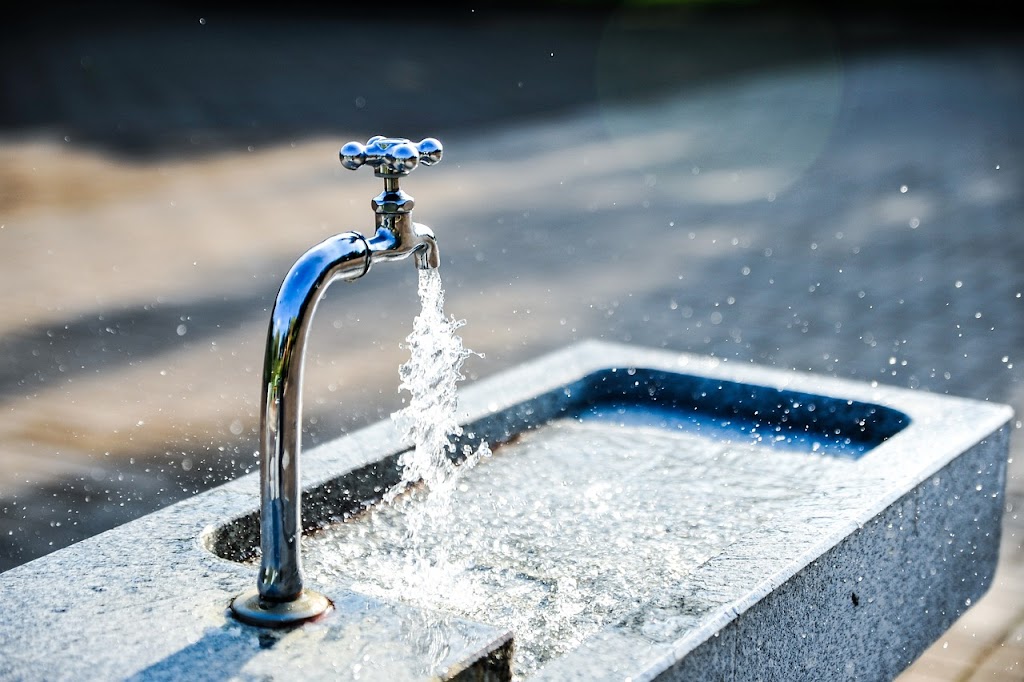
The Importance of Clean Water
and Sanitation
Significance of Clean Water and Sanitation
sanitation ensures that waste is managed in a safe manner, thereby reducing the risk of disease. The United Nations estimates that more than 2 billion people worldwide lack access to safe drinking water, and 3.6 billion
live without adequate sanitation. This deficit disproportionately affects
vulnerable communities, contributing to waterborne diseases, stunted
development, and gender inequality as women and children often bear the burden
of fetching water.
Additionally, clean water and sanitation are integral components of achieving Sustainable Development Goal (SDG) 6: ensuring
availability and sustainable management of water and sanitation for all. In this area, progress trickles down to impact education, health, and economic growth, thereby creating a ripple effect that uplifts communities.
Barriers to Universal Access to Clean Water and Sanitation
There are several barriers on the journey to universal access:
1.
Water Scarcity: Climate change and over-extraction have rendered many
freshwater sources insufficient to meet demand. By 2025, half the world’s
population may live in water-stressed regions.
2.
Pollution: Industrial waste, agricultural runoff and untreated sewage often
contaminate water supplies, rendering them unsafe for consumption.
3.
Infrastructure Gaps: In many low-income regions, insufficient funding and
maintenance of water infrastructure hinder progress.
4. Urbanization and Population Growth: Fast urbanization overburdens the available systems, leaving many in urban slums without clean water or toilets.
5.
Cultural and Political Barriers: Inadequate policies and societal norms
often prevent marginalized groups from accessing resources equitably.
Water Solutions
The other activities, in which investment is crucial are building and maintaining water treatment plants, reservoirs,
and sanitation systems. Water scarcity can be addressed using modern technologies like desalination and wastewater recycling; decentralized systems can be particularly helpful in reaching remote areas.
2. Water Conservation through Awareness
A lot of wastage can be averted with awareness about efficient use in agriculture, industry, and households. Drip irrigation and rainwater harvesting have been very good examples.
3. Governance
Policies that should be enacted and implemented by the government include equal water provision, pollution control, and rewarding sustainable activities. International collaboration can also enhance the management of transboundary water resources.
4. Harnessing
Technology
Smart sensors, artificial intelligence-driven water management, and mobile apps will be capable of tracking real-time water quality and usage for timely intervention.
5. Community-led
Initiatives
Empowering local communities to use water resources ensures that interventions are contextually relevant and sustainable. Education and
involvement elicit ownership, reducing the dependency on external aid
6. Public-Private Partnerships
Cooperation between government, business, and non-profit sources can pool resources and leverage expertise. Examples of successful implementations include companies funding water projects in order to obtain carbon credits or branding goodwill.
Conclusion
Clean water and sanitation are not only necessities but also fundamental rights. Overcoming the challenges will require action from all sectors and communities. Investment in infrastructure, embracing innovation, and promoting sustainable practices will help ensure that everyone has access to clean water and dignified sanitation.
The journey is complex, but the rewards—a healthier, more equitable
world—are well worth the effort.
FAQs
1. What is SDG 6?
SDG 6 is one of the 17 Sustainable Development Goals set by the UN, focusing on
ensuring the availability and sustainable management of water and sanitation
for all by 2030.
2. How does water scarcity affect
health?
Lack of clean water increases the prevalence of diseases like diarrhoea,
cholera, and typhoid, disproportionately affecting children and vulnerable
populations.
3. How can individuals contribute
to water conservation?
Simple steps like fixing leaks, using water-efficient appliances, and
harvesting rainwater can significantly reduce water wastage at home.